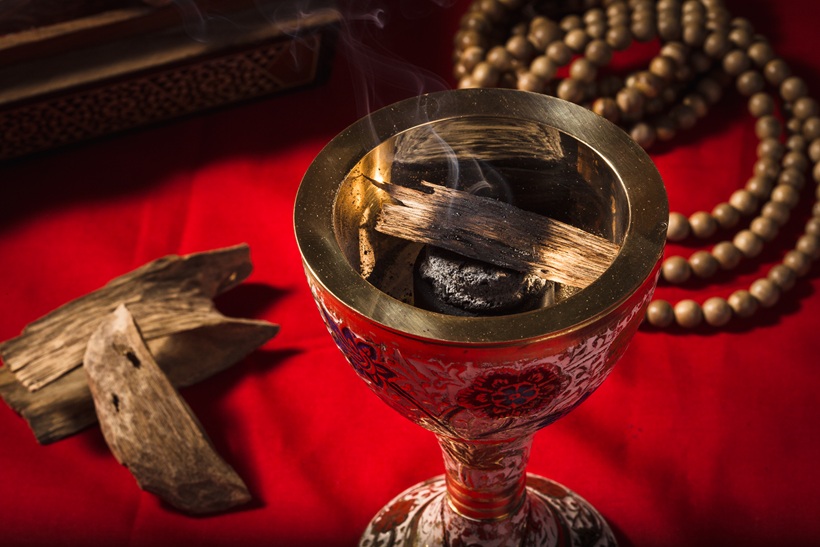
Why Oud Is More Than a Fragrance: Culture, Meaning and Responsible Manufacture
Why has Oud remained meaningful across generations?
Its distinctive fragrance is certainly part of the answer. But Oud has never been valued simply for how it smells.
Across cultures, aromatic woods and incense have been used in moments of reflection, ceremony, hospitality, and personal rituals. In religious and spiritual traditions, natural fragrances have also helped create an atmosphere of reverence, contemplation, and connection with one’s faith. While specific practices differ across cultures and religions, fragrance can carry a significance far beyond the sensory experience. Oud became part of this tradition.
In the Middle East, Oud has a particularly strong connection with hospitality, gatherings, personal fragrance, and the atmosphere of the home. It can accompany moments shared with family and guests, becoming part of familiar experiences passed from one generation to another. People do not simply experience its scent; they associate it with places, traditions, spiritual moments, and meaningful occasions.
And when a product carries that kind of meaning, the way you make it matters.
1. Why Oud Holds a Place in Culture and Spirituality?
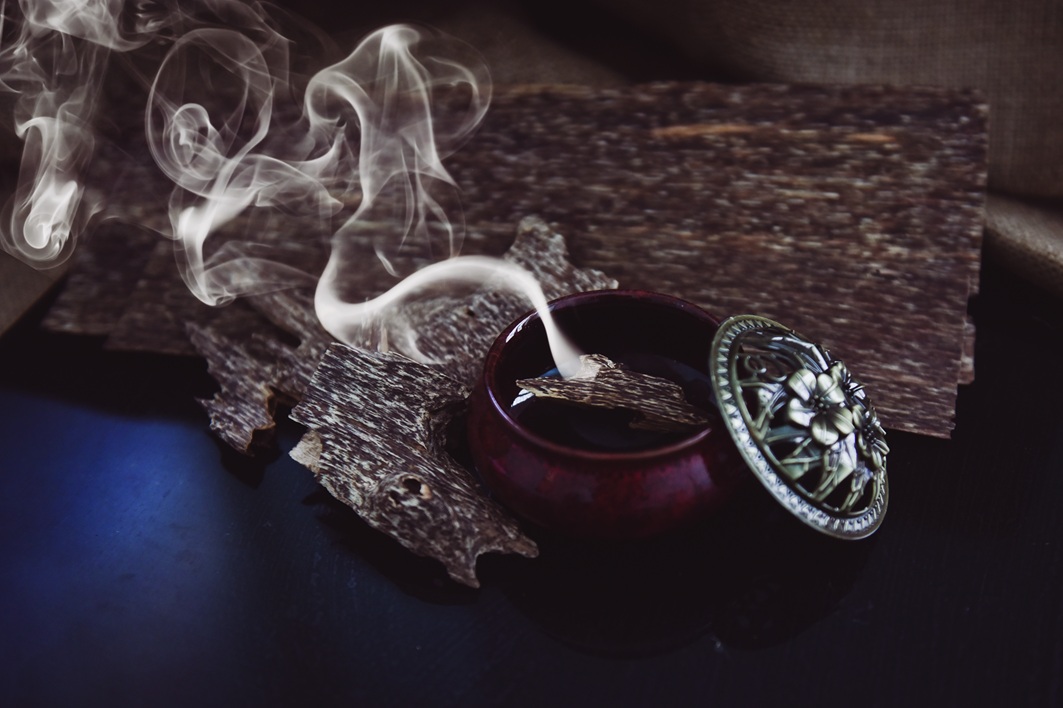
The cultural significance of Oud is closely connected to the long-standing appreciation of aromatic woods and incense. Across different cultures, fragrant materials have been used to scent spaces, accompany ceremonies, and create an atmosphere suited to reflection or spiritual practice. Their specific meanings differ, but the underlying idea is familiar: fragrance can become part of an experience that people consider important.
This broader relationship with fragrance can be found across different cultural and religious traditions. Incense and aromatic materials have been associated with contemplation, ceremonies, sacred spaces, worship, and communal life in many parts of the world.
Oud itself should not be treated as interchangeable with every type of incense used in these traditions. Rather, its significance sits within a broader human appreciation for natural aromatic materials and the experiences they help create. For many communities, fragrance can create a sense of welcome, calm, comfort, or reverence. When an aromatic material becomes part of these experiences over generations, its significance can extend far beyond fragrance alone.
2. Why Oud Matters in Middle Eastern Culture?
Few regions have developed a stronger everyday relationship with Oud than the Gulf. Across the GCC, Oud is closely associated with hospitality and fragrance culture. It can be part of welcoming guests, preparing the home, gathering with family, or marking special occasions. In a majlis, fragrance can become part of the experience of welcoming someone into your space. At family gatherings and celebrations, Oud can add a familiar atmosphere associated with warmth, refinement, and tradition.
Its significance also extends into spiritual life. Fragrance has long been valued in Islamic culture, and Oud can accompany moments of reflection, religious occasions, and the preparation of a space for a more peaceful and contemplative atmosphere. In these settings, the quality and cleanliness of what is used matter. For someone practicing a spiritual ritual, confidence in the product can help them feel at ease and remain focused on the meaning of the moment and their connection with their faith.
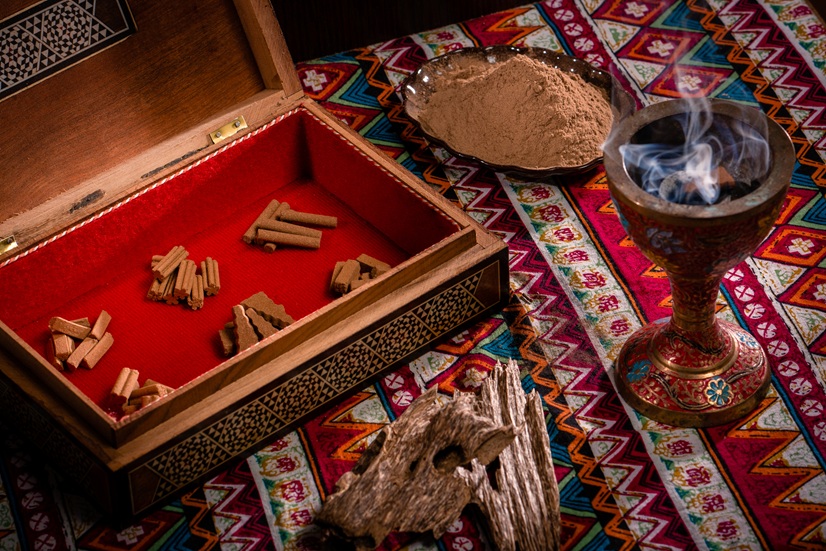
Historically, Oud was also associated with royal and elite settings, which contributed to its image as a precious and refined fragrance. But its role today reaches far beyond royalty. Oud remains part of everyday life across the Gulf — in homes, personal fragrance collections, family gatherings, hospitality, and meaningful occasions. For many people, it represents something familiar and deeply rooted in identity and tradition.
That is why producing Oud requires more than understanding its aroma. A producer must also understand the place the product may hold in people’s homes, culture, and spiritual practices.
3. Why Oud Production Requires Responsibility?
If Oud is used in cultural, personal, and spiritual moments, its production must involve more than simply creating a pleasant scent. It requires responsibility, care, and attention to detail.
For HAGA Oud, this responsibility begins with understanding the raw material. Oud is a natural resource whose characteristics are heavily influenced by its origin and processing. Turning it into a finished product requires careful decisions at every stage:
- Material Selection: Carefully selecting appropriate natural Vietnamese Oud materials and maintaining the integrity of the raw material throughout production.
- Processing Methods: Applying controlled production methods with product safety and quality in mind, while ensuring the materials used in processing are appropriate for the intended product.
- Quality Control: Maintaining consistent standards before any product leaves the facility, with attention to the purity, cleanliness, and expected character of the finished Oud product.
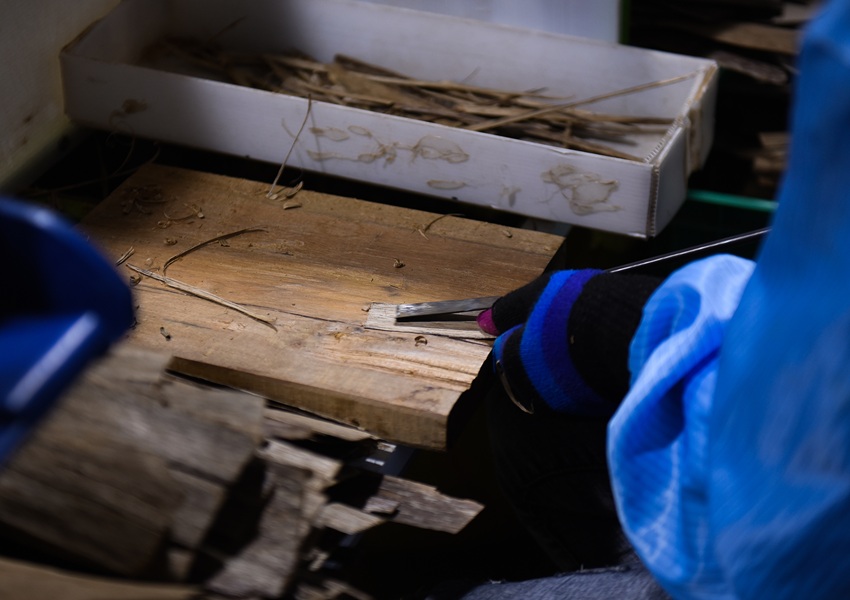
These decisions matter because the finished product becomes part of what customers bring into their homes, share with guests, and choose for meaningful moments.
For products used in spiritual practices, purity carries an even deeper meaning. A product intended for a meaningful ritual should be clean, natural, and made with care. When practitioners can trust the purity and quality of what they use, they can approach their practice with greater peace of mind and focus on their connection with their faith.
Responsible Oud production therefore means paying attention to details customers may not always see. For a product with such a strong cultural and spiritual presence, these are not simply technical considerations. They are part of respecting the meaning that Oud carries.
4. How Responsible Oud Production Builds Trust?
Responsibility naturally leads to trust. When customers purchase an Oud product, they deserve clear information about what they are buying, how it is made, and how its quality is controlled.
With over 13 years of continuous development in the Oud industry, HAGA Oud understands that quality cannot rely on broad claims. It must be supported by controlled manufacturing practices:
- Natural Material Quality: Using carefully selected natural Oud materials, with a focus on clean, authentic raw materials and a consistent Oud experience.
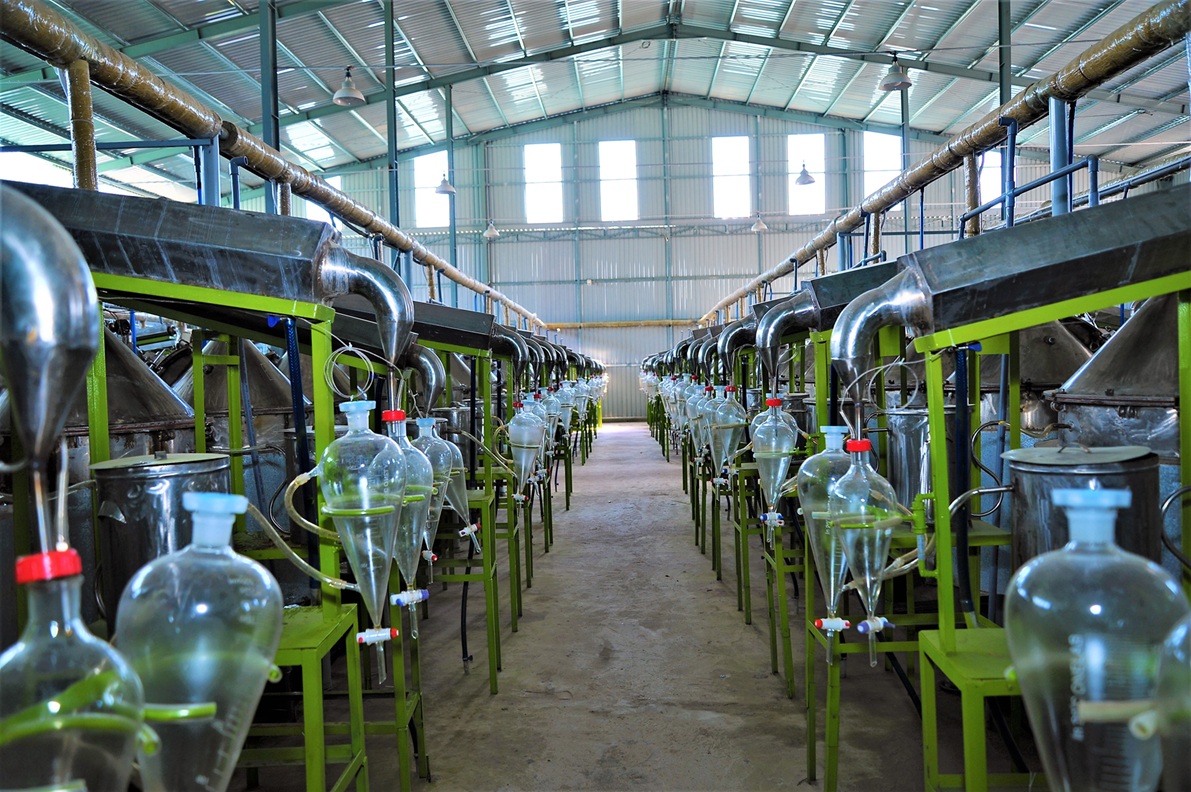
- Pure Oud Experience: Ensuring the finished product contains 100% natural Oud without white wood, helping preserve the intended fragrance, burning experience, and overall quality.
- Safety Standards: Using appropriate, controlled processing materials, including food-grade ethanol where required, to support product safety and production quality.
- Batch-to-Batch Consistency: Maintaining consistent quality for individual customers and B2B partners who depend on reliable supply.
- Clear Production Information: Providing clear product information so buyers can make confident purchasing decisions.
For HAGA Oud, these principles are part of how products are developed and prepared. Clean natural materials, product purity, consistency, and safety are not simply commercial expectations; they are part of respecting the people and cultures that use Oud.
5. Oud Made With Care and Purpose
Oud has remained relevant for generations because it represents hospitality, accompanies cultural practices, and creates atmospheres that people remember and pass on.
For HAGA Oud, understanding this meaning changes how the product should be approached. Responsibility begins long before the finished Oud reaches the customer — from the material and production decisions to the quality of the finished product.
Every product should be worthy of the trust placed in it. At HAGA Oud, this means approaching Vietnamese Oud with care, responsibility, and transparency at every stage.
When a product carries meaning, the way you make it matters.

Hoang Giang Agarwood Ltd, Co is the leading Oud manufacturer in Vietnam, especially famous for the HAGA Oud brand: (1) Committed to delivering Oud products with good and consistently stable quality amongst all batches; (2) Reasonable, competitive prices and transparent, clear pricing policies.Learn more about our Oud products at https://hgagarwood.com/products-page
The GCC region has official distributors, specifically in the UAE, Kuwait, Oman, and Saudi Arabia.
Firstly, UAE distributor – AHAYCO GROUP:
- Email us at info@uaemarket.ae
- Call us at +971551111194
- DM @hagaoud.gcc
Secondly, KUWAIT distributor – RIVAL:
- Mubarakiya – Eid Al-Nassar Street – opposite Al Mubarakiya School.
- Call us at +96565690555
- DM @hagaoud.kw
In addition, the OMAN distributor – ECCESSWARY:
- Address: 23 July Street, Salalah City. Our branches in Muscat-Salalah-Sohar-Sur.
- Call us now at +968 9123 9588
- DM @hagaoud.om
Moreover, the SAUDI ARABIA distributor: DM @hagaoud.ksa
Moving on, QATAR distributor – RIVAL: DM @hagaoud.qa
Furthermore, our valued partners:
- The first is Arabian Oud
- The next is Ajmal Perfumes
- Followed by the Afkar General Trading Chain store
- Then is Oudh Al Anfar
- After that, Nabeel Perfumes
- Subsequently Naseem Perfumes
- In addition, Beauty Blends
- And finally Sultan Al Mahruqi Trading retailer
Finally, why choose us – choose Hoang Giang Agarwood’s products
- Firstly, the factory with modern equipment makes products from start to finish.
- Secondly, we use 100% natural Agarwood/Oud.
- Thirdly, all products follow ISO 9001:2015 standards and export rules. And nontoxic chemicals.
- Finally, we are in the top 10 Agarwood/Oud essential oil companies worldwide (Market Research Future 2017).